SLOPE supports ski federations in understanding their impact on biodiversity and integrating biodiversity into their governance practices.
Through meaningful action, we can ensure that skiing supports both healthy people and healthy ecosystems.
About SLOPE
SLOPE stands for ‘Ski Leans On the Promotion of the Environment’. This is true: skiing depends on healthy ecosystems that support natural snow regulation, stable soils, pure water, and a beautiful environment that enhances the sporting experience.
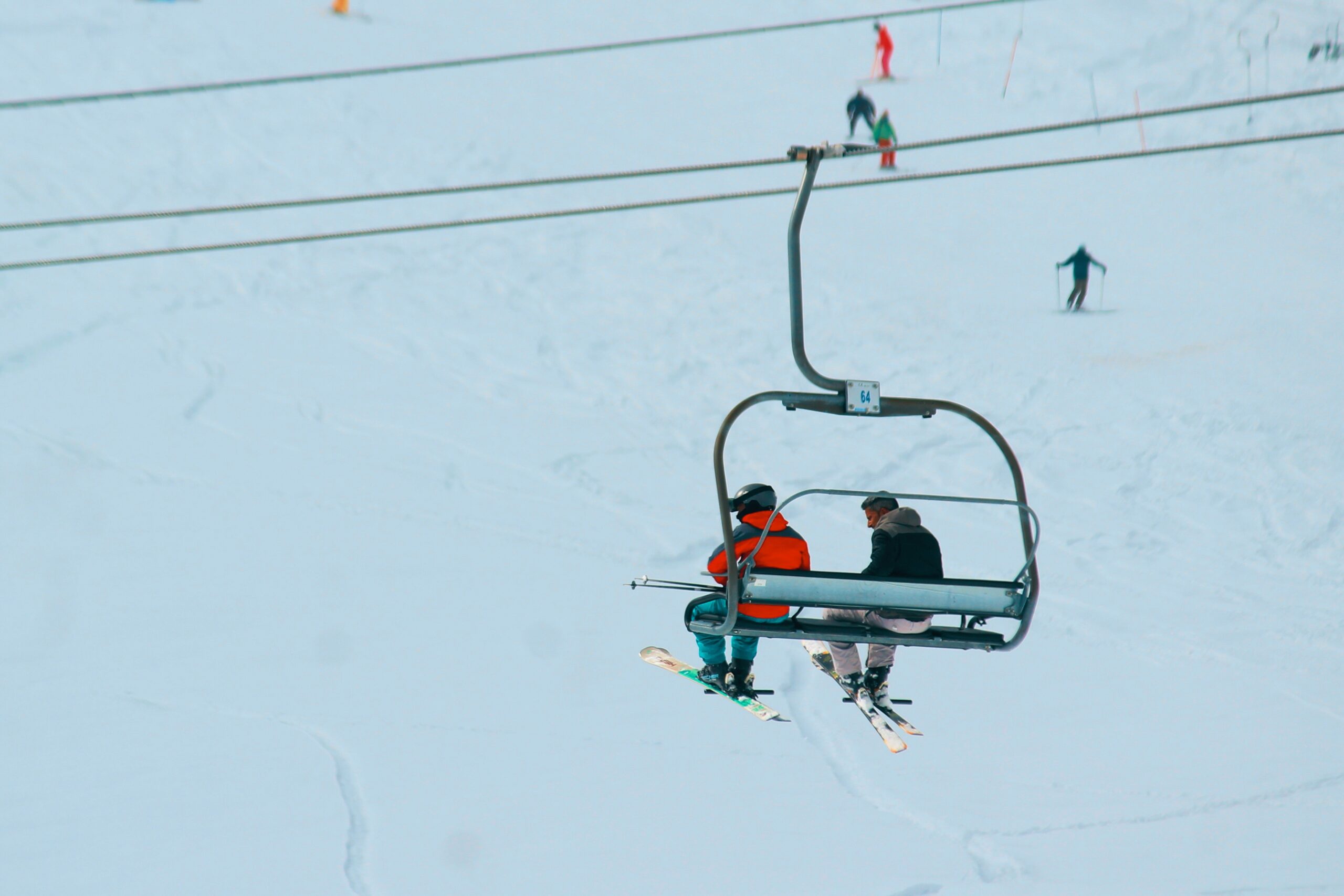
At the same time, winter sports have a significant impact on the environment. How does skiing affect biodiversity? Here are some examples:
• Building and expanding ski resorts, as well as developing infrastructure and ski slopes, cause habitat loss and fragmentation.
• Ski activities and events create noise and artificial lighting, which disturbs wildlife.
• Landscaping and the use of imported materials introduce invasive species into native ecosystems.
• Snowmaking and slope management cause soil erosion and water depletion.
• Artificial snow additives and slope maintenance substances contain chemicals that pollute the environment.
• Holding events and procuring products and services creates greenhouse gas emissions. This contributes to climate change, which affects snowfall patterns and increases reliance on artificial snow, further exacerbating biodiversity challenges.
Where SLOPE steps in
The main objective of SLOPE is to provide national and international ski organisations with knowledge of the impacts, risks, and opportunities that skiing has on biodiversity.
The project supports integrating biodiversity management into governance frameworks and sustainability strategies of ski organisations. Thus, we ensure that winter sports organisations adopt strategic and effective solutions to reduce their environmental footprint.
By engaging key ski federations—including the French Ski Federation (FSF), the Norwegian Ski Association (NSF), the Estonian Ski Association (ESA), and the International Ski and Snowboard Federation (FIS)—SLOPE fosters a systematic approach to biodiversity management at both the organisational and event levels.
The project focuses on three distinct skiing ecosystems—the Alpine high-altitude mountains in France, the boreal lowlands in Estonia, and the subarctic fjord-mountains in Norway—allowing for a comprehensive assessment of biodiversity risks and pressures.
SLOPE is structured around three key pillars:
1
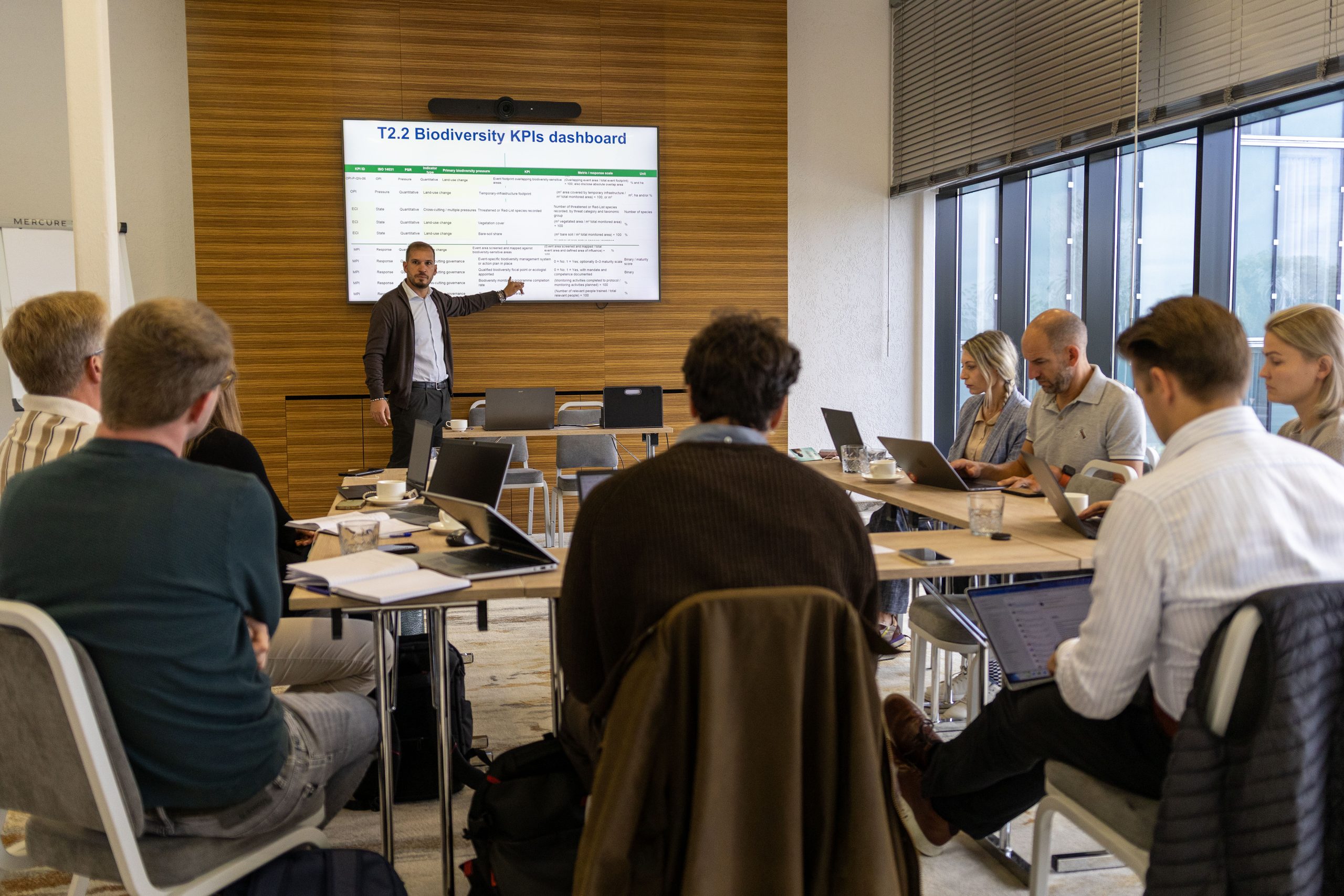
Biodiversity assessment focuses on evaluating skiing’s environmental impact, risks and opportunities, the development of a biodiversity KPIs dashboard, analyses of supply chain-related challenges, and identification of best practices.
2
Implementation of biodiversity actions supports ski federations in integrating biodiversity strategies into governance, piloting mitigation actions, enhancing product traceability, and adapting assessment tools to ski organisations.
3
Capacity building and dissemination aim to strengthen the skills and awareness of ski professionals, athletes, and stakeholders through training, webinars, awareness campaigns, and digital engagement.
The project leans on the main principles of the European Green Deal and the European Biodiversity Strategy and integrates them with the Sport4Nature framework. These efforts ensure that biodiversity principles become embedded in winter sports governance and that project outcomes remain scalable and transferable across the industry.
News
Project team