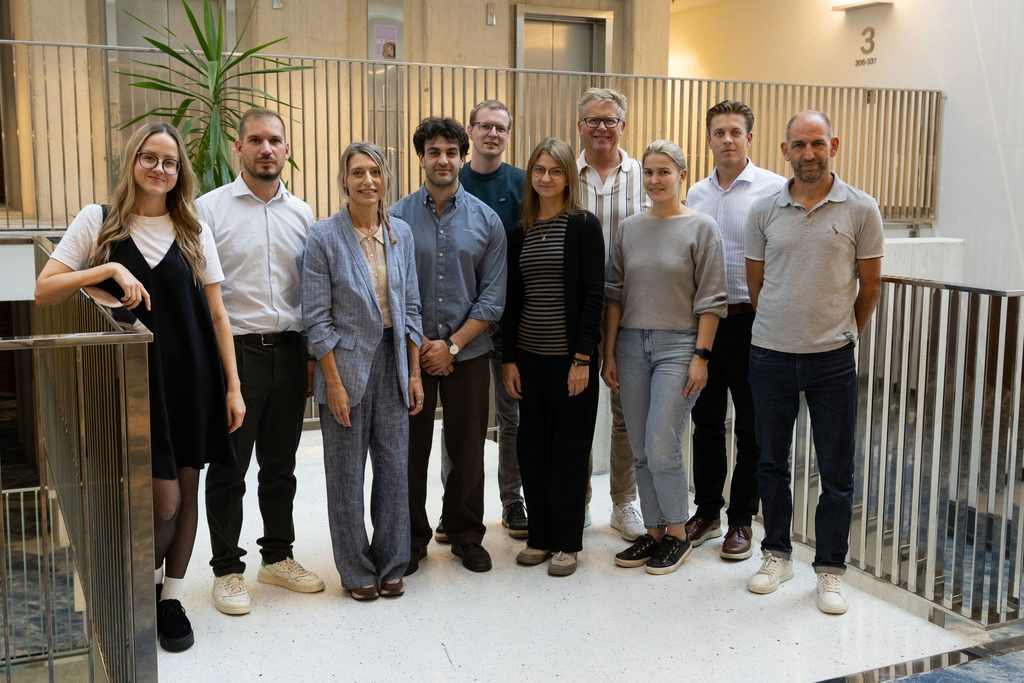
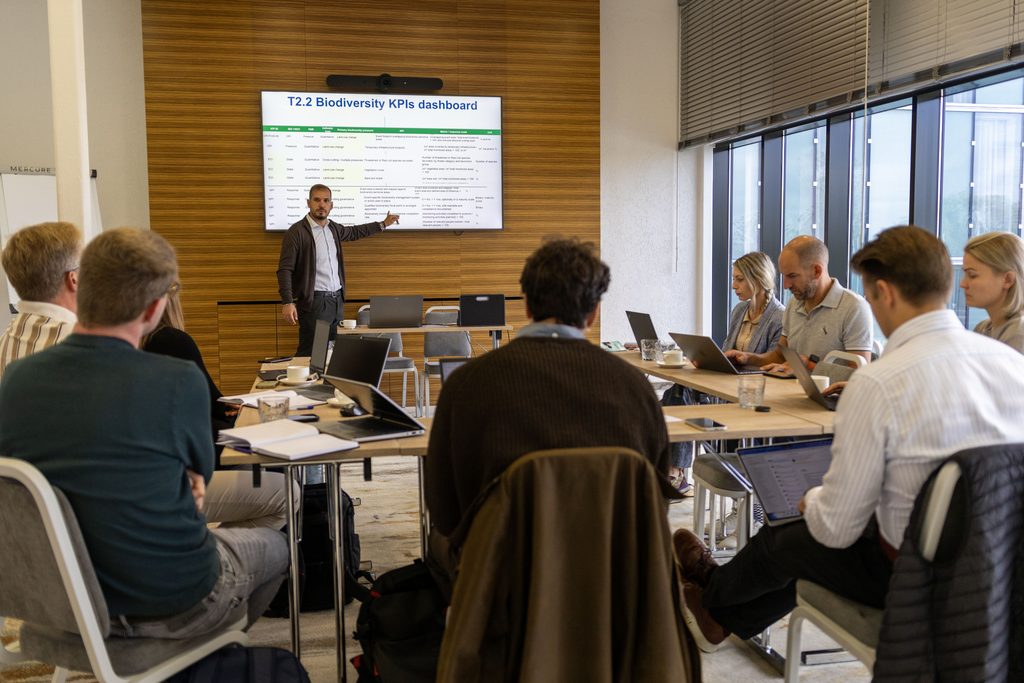
In September, SLOPE project partners met in Tallinn to take stock of the project.
Last season, experts from Scuola Superiore Sant’Anna visited ski events in Estonia, France and Norway to collect data and analyse winter sports’ effects on biodiversity. Throughout the year, they have also done desk research on existing methods and frameworks for assessing biodiversity pressures; existing standards, regulations, and reporting frameworks related to winter sports and sustainability; existing supply chain management literature, etc. Based on the fieldwork and desk research, researchers have outlined first drafts of tools that will be further developed in the project.
The materials that the partners currently work on include:
- Analysis of risks and opportunities in the ski industry
- Biodiversity KPIs, which will be published as a dashboard that ski organizations can use in the future to measure their impact on nature and plan events that minimize the effect on biodiversity.
- Guidelines for biodiversity supply chain management in the ski industry
- Repository of nature-based solutions that can alleviate skiing’s impact on nature
In Tallinn, the project partners workshopped these materials and tools, following a further development in the coming months. Together with SEI Tallinn, upcoming engagement and communication activities were discussed.
Meanwhile, the partners will ensure that ski federations can share this useful, practical knowledge with industry professionals, including trainers, event planners, skiers, and others. To do so, the French, Norwegian and Estonian Ski Federations will soon start conducting training courses and multiplier sports events, in addition to the project’s awareness-raising and networking activities among ski industry professionals.